🚨I’ll be live at 12:30 p.m. ET🚨
Silas and I are going to unravel the latest opportunity flagged by the signal that’s already spotted some of this year’s biggest reversals and more [tap to join us]!
There’s a risk management practice most traders swear by that I need to be straight with you about…
If you’re relying on stop losses to protect your options positions, you’re setting yourself up for exactly the kind of disaster you’re trying to avoid.
I know that’s uncomfortable to hear. Stop losses feel safe — they give you the psychological comfort of knowing you’ve drawn a line in the sand. But in options trading, that comfort can create a false sense of security.
Let me show you why this matters and what actually works instead.
The Gap That Destroys Your Risk Plan
Think about what happens when markets move hard and fast. If you’re holding a short position and the market gaps above your stop loss, you don’t have an opportunity to exit at your intended price.
You might have planned to stop out at a 20% loss, only to find yourself facing an 80% loss when it executes. That’s not a small miscalculation — it’s a completely different level of risk.
It gets worse when markets become disorderly. Bid-ask spreads can widen as liquidity disappears, making your assumption that you can exit at a specific price meaningless. Stop losses may help under normal conditions, but they aren’t guaranteed protection when you need them most.
Broader context matters too. Before taking an opportunity, consider the direction and condition of the overall market, the relevant sector and the underlying asset. A position that looks attractive in isolation can carry much greater risk when the market or sector is moving aggressively against it.
How Professionals Actually Manage Risk
Professional-level risk management starts with the possibility of a 100% loss. That makes allocation size your primary risk management tool.
The safest approach is to assume you could lose the entire amount committed to an options position and size it accordingly. If the trade makes money, excellent. If you lose less than 100%, you’re still glad you prepared for worse.
And if a total loss occurs, your account remains intact.
Position sizing doesn’t mean ignoring a trade after entry. Monitor the market, sector and underlying asset for meaningful changes. If you receive an opposing signal or the original setup is no longer valid, reassess the position and consider reducing or exiting.
Signals can guide trade management, but they should complement conservative sizing — not replace it.
This is what separates professional traders from those who blow up their accounts. We don’t risk 50% or 100% of an account on one idea. We size every position so the worst-case outcome is survivable.
Most positions won’t lose 100%. But risk management means recognizing that extreme outcomes can happen and preparing for them without fear.
Stop chasing the comfort of stop losses. Start managing risk like a professional.
Kane Shieh
Kane Shieh Trading
Follow along and join the conversation for real-time analysis, trade ideas, market insights and more!
Important Note: No one from The TradingPub team or Kane Shieh Trading will ever contact you directly on Telegram.
*This is for informational and educational purposes only. There is inherent risk in trading, so trade at your own risk.
P.S. Ready to Unravel What Could Be Our Biggest Q4 Opportunity?
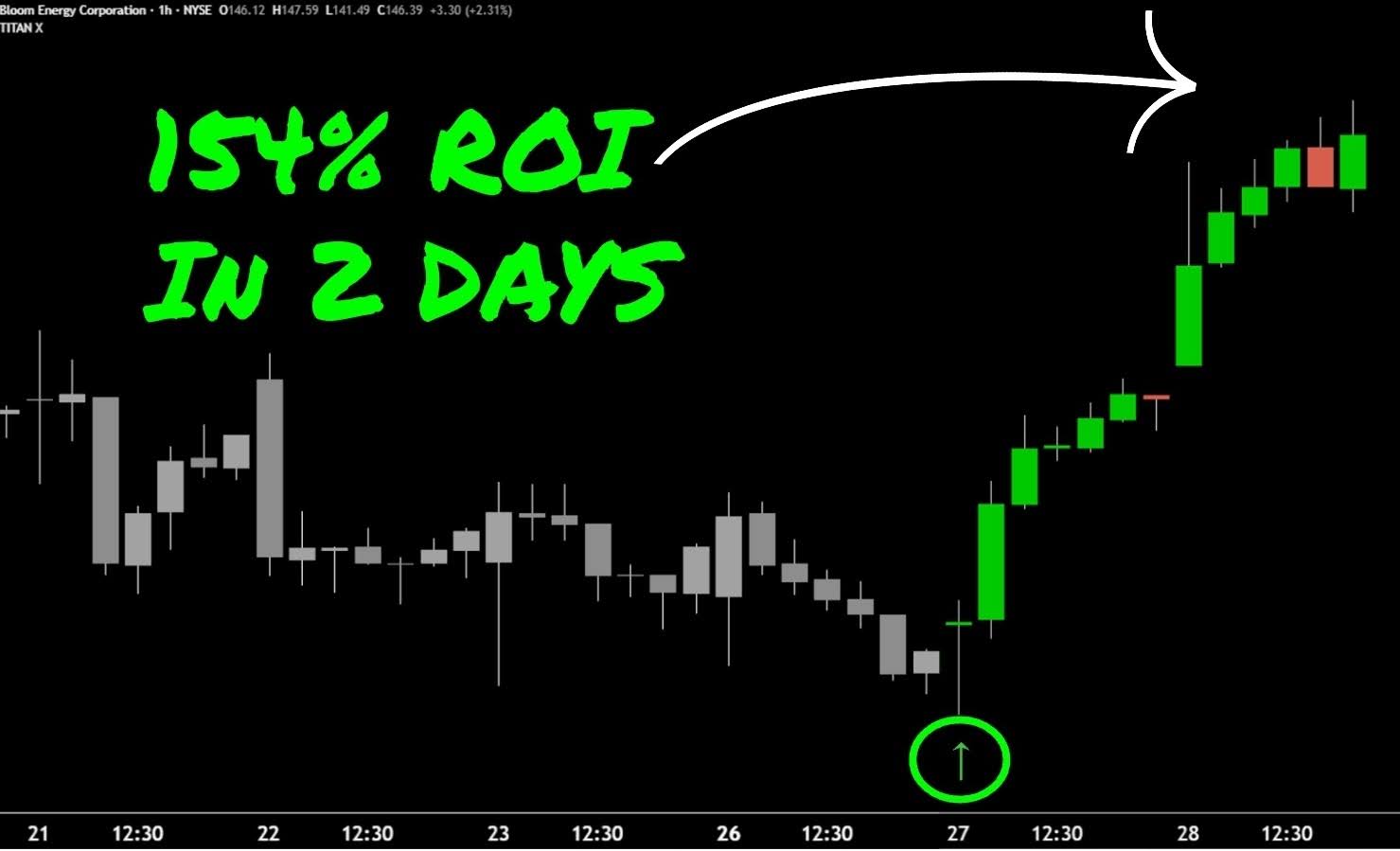
Silas has been using a unique signal to flag this year’s most significant reversals on stocks like Hecla Mining and Bloom Energy.
So I’m joining him at 12:30 p.m. ET today as we unravel the latest opportunity this signal flagged!