🚨I’ll be live at noon ET with Roger
Historical patterns are pointing to a bullish November — see the best tickers to trade and their gamma pockets and more [tap to join us]!
There’s something deeply wrong with how most traders think about options expiration dates.
I recently compared 30-, 45- and 90-day options to see what happens to the reward-risk ratio when you buy extra time. What I found challenges the assumption that “giving yourself more room” automatically improves a trade.
Start with a 30-day option priced at $9.20. If the expected move happens within one week, the trade produces a 1.93-to-1 reward-risk ratio. Not bad at all.
Extend the expiration to 45 days, however, and the option costs $13.30. Despite the extra time, the initial reward-risk ratio falls to 1.5-to-1. If the move takes longer, that ratio drops to 0.8-to-1 and eventually 0.35-to-1.
Push the expiration to 90 days and the premium rises to $19.20. The ratio still begins around 1.5-to-1, but it deteriorates more slowly, reaching 0.97-to-1 after three weeks versus 0.8-to-1 for the shorter-dated option.
The Real Cost of ‘Playing It Safe’
Buying more time can slow the decline in your reward-risk ratio, but it cannot eliminate it. You pay for that protection upfront — in this example, the premium more than doubles from $9.20 to $19.20.
This exposes a deeper problem with applying traditional trading wisdom to options. Rules such as risking no more than 1% of a portfolio or demanding a 2-to-1 reward-risk ratio were developed primarily for equities.
Options introduce expiration, time decay and changing sensitivities, so those rules cannot always be transferred without adjustment.
That doesn’t mean abandoning risk discipline. It means accounting for the full premium at risk, sizing the position appropriately and testing the trade’s value at several dates before expiration — not just at entry and at the price target.
One practical compromise is to consider roughly 50 to 70 days to expiration. This can reduce the rate of decay without requiring the much larger premium of a 90-day contract. More importantly, avoid planning to hold until expiration, when the deterioration becomes most severe.
Set a time-based exit and reassess the trade if the expected catalyst or price move fails to develop on schedule.
Speed Matters More Than Distance
When buying a single option, you don’t just need a large move — you need a fast move. Direction alone may not be enough because every day that passes can erode the economics of the position.
Before entering, model how the option may perform if the move happens in one week, three weeks or near expiration. If the reward-risk ratio becomes unattractive under a realistic delay, choose a different expiration, reduce the position size, use a defined-risk spread or walk away.
Rules of thumb save time, but understanding the math tells you when those rules stop working. Options amplify both your winners and your structural disadvantages.
Time decay is real, it’s relentless and buying more time doesn’t remove it — it only changes the slope of the decline.
Kane Shieh
Kane Shieh Trading
Follow along and join the conversation for real-time analysis, trade ideas, market insights and more!
Important Note: No one from The TradingPub team or Kane Shieh Trading will ever contact you directly on Telegram.
*This is for informational and educational purposes only. There is inherent risk in trading, so trade at your own risk.
P.S. November Midterm Rally: 3 Keys to the Most Bullish Window of the Year
Historically, November during midterm election years tends to outperform the broader market.
But buying random stocks won’t cut it…
Right now, one hidden institutional force is driving rapid, repetitive moves across select tickers, fueling setups like 25% on DHR in two days, 31% on ON in one day, and 55% on ROST in just three days.
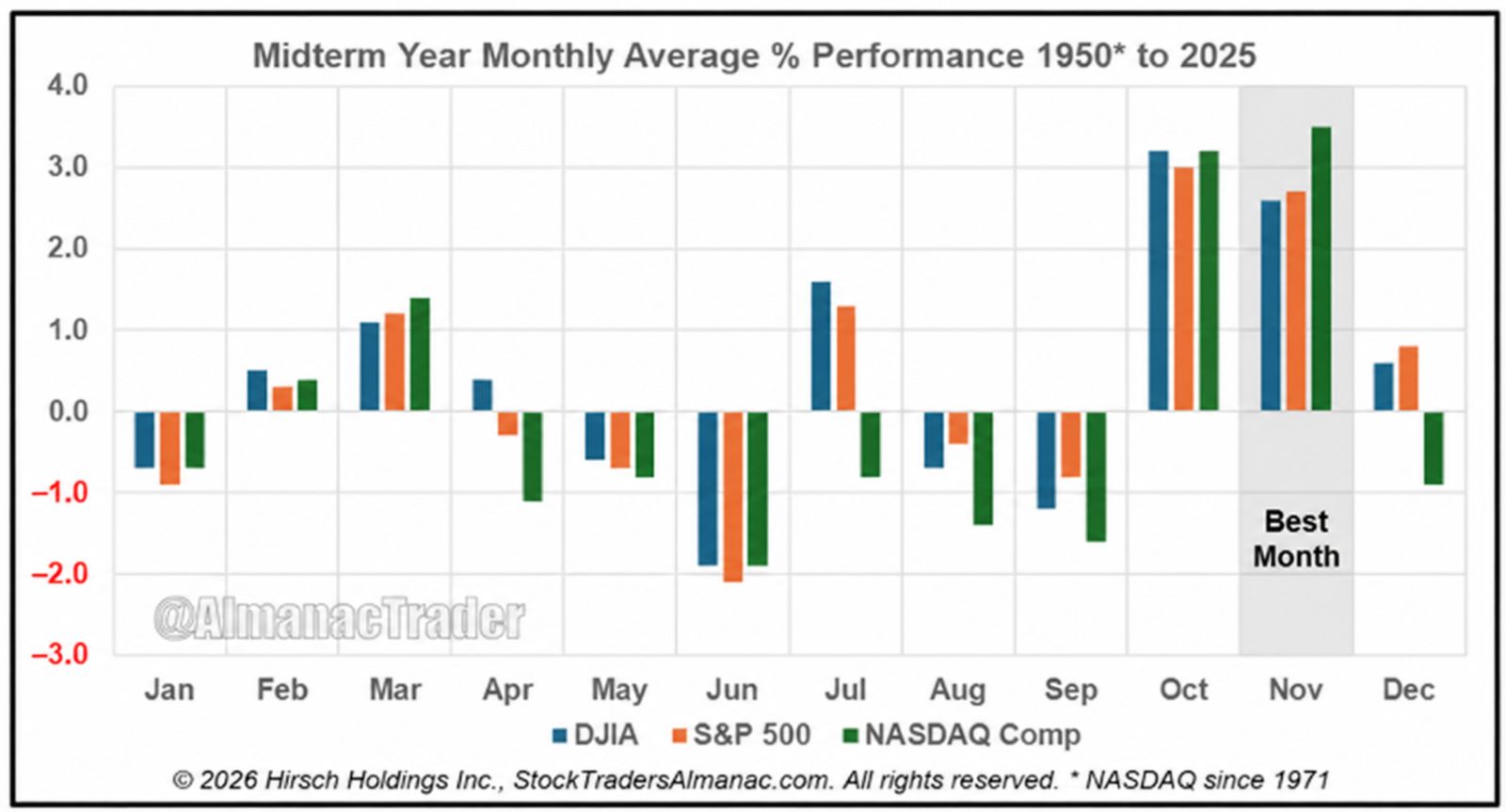
Before this seasonal window closes, learn how to identify the specific stocks that smart money is targeting for maximum leverage.
Get the Midterm Breakdown and Setup