
🚨 I’ll be live at noon ET🚨
We’ll cover how implied volatility distorts the value of ITM, ATM, and OTM options, the stark contrast between historical and implied data, and the precise two-candle volume trigger required before you pull the buy trigger on top-tier stocks and more [tap to join us for the VIP Trade Room]!
I’ve been getting asked a lot lately about my decision-making process when it comes to options. Here’s the truth — when I do an option trade, these questions pop up in my head right away. I don’t sit there mulling things over.
I’ve done this enough times that it’s second nature.
But if you’re still building that muscle memory, you need to train your brain to ask the right questions before pulling the trigger. And before you can do that, you need the right mindset.
Flexibility in Options Trading
A lot of traders fall into a binary view of the markets. They think it’s either this or that, yay or nay, I trade these or I trade those. That’s not how real trading works.
You trade what the market gives you and you use the tools that match the current environment. The more flexible you become, the faster your instincts develop and the more naturally this process starts to flow.
Understanding Option Types: Investors tend to trade in-the-money (ITM) options because they want more stability while speculators gravitate toward out-of-the-money (OTM) options because they want leverage.
Knowing where you stand on any given trade helps you choose the right strikes.
The Questions That Matter Most
The first thing you need to know is what you’re trying to achieve. Are you looking for a quick intraday move, or are you planning to hold the trade overnight? Your goal determines the entire structure of the trade.
Next come the pricing questions. Is the option expensive? Are the spreads wide? If spreads are too wide — on the stock or the options — that alone may be a reason to skip the trade entirely. Slippage can destroy a good idea.
Timing matters too. When is earnings? When is the ex-dividend date? These events directly affect expiration choices and risk.
Then there’s delta. For regular trades, I prefer around .70 delta — not .50. For scalps, .50 delta works. Delta sets expectations for how quickly your option should move relative to the stock.
Adapting to Market Volatility
When implied volatility is high, you want to lean toward ITM options. Elevated volatility inflates premiums and deeper strikes help balance that. If you’re trading for more than about a half-hour, ITM strikes usually serve you better.
Execution also matters. Can you use market orders or do you need limit orders? Is there enough volume? Thin names can turn a clean setup into a messy trade.
Managing Costs with Spreads
When options are expensive, a debit spread can control costs. And whichever spread you choose, make sure your debit is less than half the distance — so 1:1 or better — between the strikes. That keeps your risk-reward in line.
Once you train yourself to ask these questions — all of them — the process becomes automatic. Eventually, you’ll think faster, trade cleaner and make decisions with the confidence that comes from knowing you didn’t miss anything.
I hope that helps!
Roger Scott
Roger Scott Trading
Follow along and join the conversation for real-time analysis, trade ideas, market insights and more!
- Telegram:https://t.me/+_vmfwkeP8fA5YWQ5
- YouTube:https://www.youtube.com/@Roger-Scott/videos
- Instagram:https://www.instagram.com/thetradingpub/
- Facebook:https://www.facebook.com/TheTradingPubOfficial
- Twitter: https://twitter.com/Rogerscott1970
Important Note: No one from The TradingPub team or Roger Scott Trading will ever message you directly on Telegram.
P.S. A Lethal Sniper Is Coming To Town This Saturday At 1 PM ET
But not the kind that you think.
This Sniper helps spot the stocks Wall Street is buying in real time, opening the door to targeting double- and triple-digit returns within minutes!
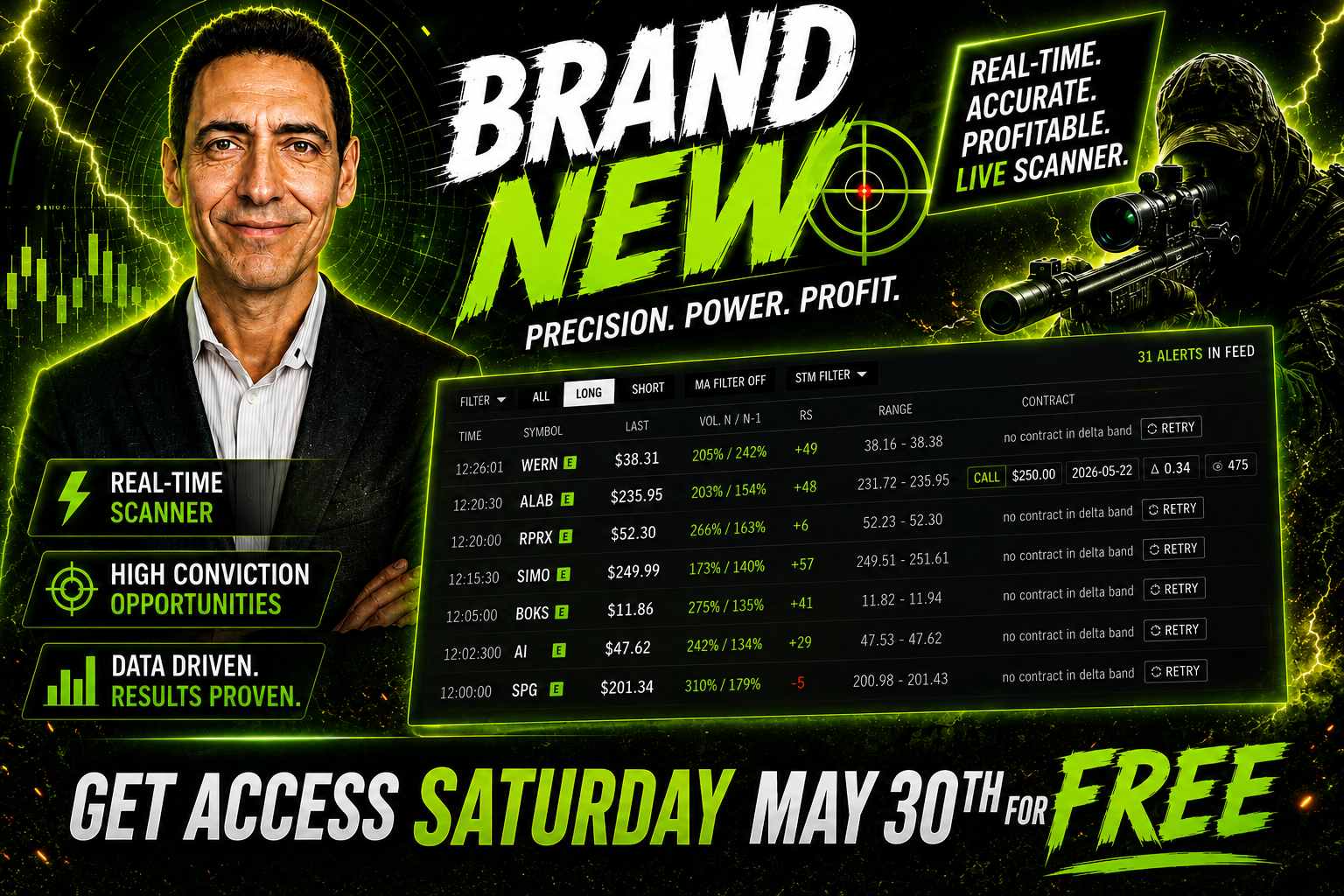
The best part is you’ll get free access to this Sniper when you join in!
Tap Here To Get A Free Pass For The Event
Disclaimer: We develop tools and strategies to the best of our ability, but we can’t guarantee the future. Past Performance is not indicative of future results. Because the Sniper Scalper is a tool for Traders, results will vary among users. Trade at your own risk and never risk more than you can afford to lose.