🚨I’ll be live at 3:30 p.m. ET with Nate🚨
It’s “Build a Trade” day so we’ll do that, discuss how to trade better during market chop and more [tap to join us for Closing Playbook]!
Most traders think earnings calendar management is complicated, but it becomes straightforward once you understand the decision tree.
Before entering a trade, verify that no separate catalyst could suddenly drive the stock higher or lower. An economic report, company event or other scheduled announcement can disrupt the normal post-earnings pattern and change how aggressively you need to manage the position.
You also need to understand what the options market expects. Calendar spreads often depend on near-term implied volatility collapsing after earnings while the longer-dated option retains more value.
As expiration approaches, that front-expiration volatility should fall sharply once the event passes.
Think of the implied volatility curve as a simple slope across expirations…
High near-term IV → lower longer-term IV.
After earnings, the front of that curve can drop and flatten. If the stock stays near your strike, that volatility crush can work strongly in your favor. But if the curve is unusually skewed or fails to collapse as expected, the trade may behave differently, so check the relative volatility of each expiration rather than looking at one number.
If the stock hasn’t moved much after earnings, your position could be highly profitable. Volatility contracts, the calendar spread increases in value and you close it immediately.
No drama and no difficult decision.
But what happens when the stock actually moves? That’s where most traders freeze because they don’t have a framework.
Gap-and-Fill: Wait It Out
When a stock gaps significantly but then reverses toward its pre-earnings price, that’s a gap-and-fill pattern. In this scenario, I wait.
The gap initially creates a loss in the calendar spread, but the position can recover as the stock moves back toward where it started. If near-term implied volatility is also collapsing as expected, that combination can produce a strong recovery.
The key is recognizing the pattern. If price begins moving back toward the pre-earnings level, don’t panic. Let the setup work while continuing to watch for any outside catalyst that could interrupt the fill.
Gap-and-Run: Cut It Immediately
If the stock gaps and continues moving in the same direction without reversing, that’s a gap-and-run. When I see this pattern, I close the position immediately and take the loss.
Some traders let the short expiration expire worthless and hold the longer-dated option, hoping mean reversion brings the position back. I understand the logic, but that’s not my style. I don’t like hoping for recovery — I cut the loss, move on and find the next setup.
The framework is simple — limited movement plus volatility contraction can mean a quick profit, gap-and-fill means wait for recovery and gap-and-run means cut immediately.
Know the volatility setup, confirm there are no surprise catalysts and identify the price pattern. Then the management decision becomes much easier.
Kane Shieh
Kane Shieh Trading
Follow along and join the conversation for real-time analysis, trade ideas, market insights and more!
Important Note: No one from The TradingPub team or Kane Shieh Trading will ever contact you directly on Telegram.
*This is for informational and educational purposes only. There is inherent risk in trading, so trade at your own risk.
P.S. A Can’t-Miss, Critical Market Update…
Graham just dropped a critical market update.
If you’ve been watching the tape this month, you know volatility is creeping back in.
With institutional volume shifting, the window for high-octane opportunities is opening up.
No wonder his Newton Software has been going haywire — and now it’s triggered three new alerts.
The last time Newton flashed a triple-alert cluster like this?
You may remember what happened next.
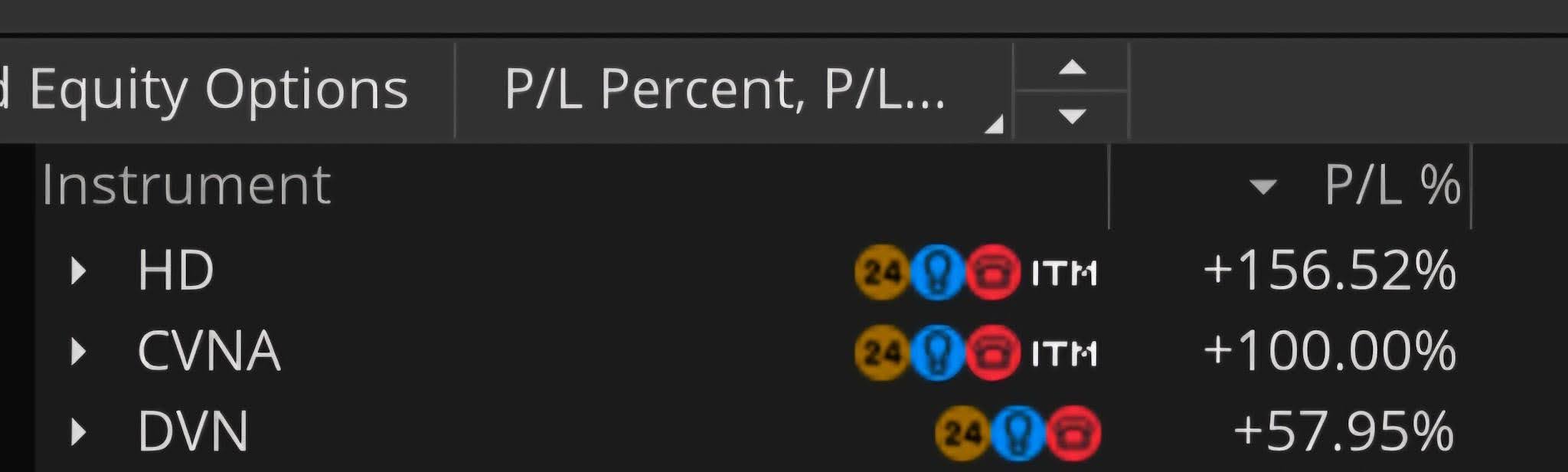
Now, we’re not saying today’s alerts will perform exactly the same. Markets don’t work that way, and we can’t make guarantees.
But the setup is eerily similar.
He’s laid out the full breakdown, including tickers, entry zones, and the specific options contracts he’s looking at…
You can access that briefing now because the market doesn’t wait…
We develop tools and strategies to the best of our ability, but no one can guarantee the future. There is always a risk of loss when trading past performance is not indicative of future results. The trades expressed today are based on signals from Graham’s Software with the benefit of 20/20 hindsight unless otherwise stated and must be considered hypothetical. There’s bound to be winners and loser along the way. Since this new dashboard is a tool for traders and not a trading service, profits and performance will vary among users. Never risk more than you can afford to lose.