Most traders think picking an options strategy is simple — bullish on a stock?
Buy a call. Bearish? Buy a put.
Done.
But that approach ignores what the price action is actually showing you. It also overlooks the broader market environment and how one position fits into your total risk.
Let me show you what I mean with a recent example from the Healthcare sector (XLV).
When the Chart Says ‘Slow Down’
So XLV was developing upward movement and wasn’t overextended, but the price action was full of wicks. It wasn’t moving quickly or showing the aggressive momentum I would want for a straight call.
That observation changed how I approached the trade.
XLV wasn’t being super aggressive, so I didn’t want to use an aggressive bullish strategy that would get eaten up by time decay if the stock chopped around. A vertical spread was more appropriate because it provided bullish exposure while better matching the measured pace of the underlying.
This is where many traders go wrong — they see bullish price action and immediately reach for the most aggressive bullish structure available. Professional trading requires more than choosing a direction. You also need to assess the velocity, consistency and character of the movement.
Sector selection matters too. If I think market conditions could become troublesome, I may want to avoid more aggressive areas such as Technology (XLK) and semiconductors (SMH). Healthcare can offer a more conservative alternative when uncertainty is elevated.
That doesn’t make it risk-free, but its character may fit a cautious setup better than a higher-volatility sector.
Match the Strategy to the Risk
With a straight call, you’re paying for substantial leverage and unlimited upside potential. If the underlying isn’t moving aggressively, you may be paying for speed that the chart isn’t delivering.
A vertical spread can better fit a setup that’s advancing steadily but lacks explosive momentum. By buying one call and selling another at a higher strike, you cap the potential gain but also reduce the position’s net cost.
The structure reflects the reality of the chart rather than an expectation the market hasn’t supported.
Risk management also extends beyond a single trade. I want to position myself so that if the market does something completely unexpected, one directional view doesn’t blow up my account. That can mean maintaining exposure in both bullish and bearish directions rather than allowing the entire portfolio to depend on one outcome.
This isn’t about forcing equal positions on both sides. It’s about understanding how trades interact and avoiding excessive concentration in a single market thesis.
Before entering your next trade, don’t just ask whether you’re bullish or bearish. Ask how quickly the underlying is moving, whether the sector fits the environment and what happens to your portfolio if you’re wrong.
Those answers should determine your structure — not direction alone.
Kane Shieh
Kane Shieh Trading
Follow along and join the conversation for real-time analysis, trade ideas, market insights and more!
Important Note: No one from The TradingPub team or Kane Shieh Trading will ever contact you directly on Telegram.
*This is for informational and educational purposes only. There is inherent risk in trading, so trade at your own risk.
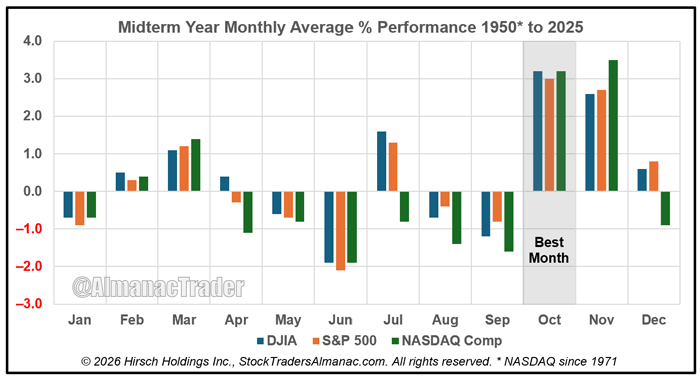
P.S. Historical Records Are Hinting at a Bullish October
In the next few minutes…
I’ll share a special way to spot the top tickers to trade to aim for lucrative moves!